
UN rights office urges Sri Lanka to apologise publicly for wartime attacks on aid and medical workers

The UN human rights office has recommended that the Sri Lankan government apologise in public for attacks on humanitarian and medical workers, their facilities and their operations during the war.
The recommendation comes in a new report by the Office of the High Commissioner for Human Rights titled ‘I died many times’: Attacks on humanitarian assistance in Sri Lanka, 20 years on. It deals with attacks on aid workers and aid operations in the final phase of the conflict, and with the restriction and denial of humanitarian assistance by all parties.
The report is said to draw on information held by the office and on interviews with 16 people who worked in humanitarian and medical services between 2005 and 2009. It is reported to ask the government to acknowledge the part played by state security forces.
Four incidents are reported to receive particular attention: the disappearance of TRO staff members on 29 and 30 January 2006; the killing of 17 ACF workers in Muttur in August 2006; the shelling and obstruction of a UN supply convoy in January 2009; and the shelling of Puthukkudiyiruppu hospital in January and February 2009.
According to the report, there has been no criminal accountability for these incidents so far. It is also reported to say that the Sri Lankan government was given the chance to comment before publication and did not respond.
Besides a public apology, the recommendations are said to include reparations, an independent prosecution mechanism, acceptance of the Rome Statute and other international instruments, and reform of the security sector. The report is reported to call for continued international monitoring, and for targeted sanctions if that proves insufficient.
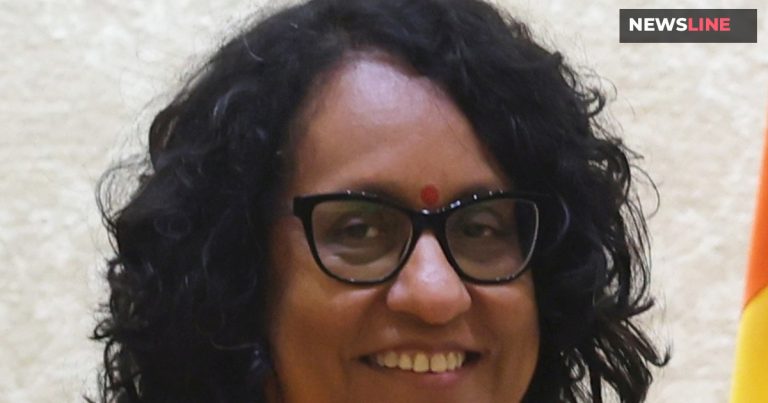
Amnesty International’s South Asia Director, Smriti Singh, responding to the report, said truth, justice and reparation remain out of reach for victims and that continued international scrutiny is needed.
The report was produced by the office’s Sri Lanka Accountability Project, set up under UN Human Rights Council resolution 46/1 of 2021 to collect and preserve evidence of serious human rights violations.
File photo: Nick-D / Wikimedia Commons / CC BY-SA 4.0